Politics
Georgia Didn’t Just Make History. Black Women Are Now Part of Its Future in a Whole New Way.
Eight Black women. One historic election. A new chapter in Georgia leadership that could reshape how the next generation sees political power.

November 3, 2026: A Night That Changed Georgia's Political History
There are moments in history that deserve more than a passing headline.
Moments that cause us to look at where we have been, recognize how far we have come, and consider what the future could hold.
November 3, 2026, was one of those moments for Georgia.
Across the state, voters elected eight Black women to statewide offices, creating a level of representation that Georgia had never experienced before.
At the center of that historic election was Keisha Lance Bottoms, the former mayor of Atlanta, who became the first Black woman elected governor in American history.
But the story does not begin or end with one woman.
It is also the story of seven others whose victories placed Black women in positions responsible for education, elections, consumer protection, agriculture, labor, public utilities, and the administration of justice.
For a state whose history includes slavery, segregation, and generations of struggles for equal political participation, the significance of this moment extends far beyond election night.
Georgia's leadership is changing.
And with that change comes an opportunity to examine what representation, responsibility, and public service can mean for the next generation.
Eight Women Who Made History
The women elected to statewide office on November 3, 2026, include:
Keisha Lance Bottoms, Governor Elect
The former Atlanta mayor will become the first Black woman to govern a state in American history. Her election also marks Georgia's first woman governor and first Black governor.
Penny Brown Reynolds, Secretary of State Elect
A former judge, Reynolds will become the first Black person elected Georgia's secretary of state. Her responsibilities will include overseeing elections, maintaining important state records, and administering business registrations.
Tanya Miller, Attorney General Elect
A former prosecutor and state representative, Miller will become Georgia's chief legal officer, responsible for representing the state and overseeing major legal matters.
Dr. Lydia Powell, State School Superintendent Elect
Powell will lead Georgia's public education system, placing her in a position to influence policies affecting students, teachers, families, and schools across the state.
Katherine Juhan-Arnold, Agriculture Commissioner Elect
Her office will oversee important agricultural and consumer protection responsibilities in a state where farming and food production remain central to the economy.
Nikki Porcher, Labor Commissioner Elect
Porcher will assume responsibility for an office connected to workforce services, unemployment insurance, and employment opportunities.
Keisha Sean Waites, Insurance Commissioner Elect
Waites will lead the agency responsible for regulating Georgia's insurance industry and addressing important consumer protection matters.
Sheila Edwards, Public Service Commissioner Elect
Edwards will serve in a role involving oversight of regulated utility services, including matters that can affect household expenses and business operations.
These victories span different responsibilities, but together they represent an extraordinary change in Georgia's statewide political leadership.
The Generations Who Came Before Them
To understand the importance of November 3, we must also remember the generations who came before.
There was a time when Black women in Georgia faced enormous barriers simply trying to exercise their right to vote.
Their voices were often excluded from the political decisions affecting their homes, schools, employment, and communities.
Yet Black women continued organizing, educating, advocating, and participating in the struggle for greater representation.
They helped register voters.
They built community organizations.
They supported candidates.
They raised families while contributing to movements that expanded civil rights and political participation.
Some became elected officials themselves, opening doors that once appeared firmly closed.
The results of the 2026 election belong to a much longer history of civic engagement.
They also remind us that progress is rarely the work of a single generation.
What This Means for Young Black Girls
Imagine a young girl sitting in a classroom somewhere in Georgia.
Perhaps she dreams of becoming an attorney, a teacher, a business owner, or a public official.
Now imagine her seeing women who look like her elected to some of the highest offices in her state.
For that young girl, leadership may no longer feel like something distant.
She can see examples of women holding responsibilities that influence millions of lives.
Representation does not guarantee that every child will pursue public office. But it can broaden the range of possibilities children recognize for themselves.
And that matters.
Because the next generation of leaders is sitting in classrooms today.
They are watching how elected officials handle challenges, communicate with communities, and fulfill their responsibilities.
The example these women set will be shaped not only by their historic victories but by the decisions they make while serving.
Representation Is the Beginning, Not the Finish Line
History has been made.
Now comes the responsibility of governing.
The significance of these victories should not prevent the public from asking difficult questions.
Will families experience improvements in affordability?
How will Georgia address educational challenges?
What will elected officials do to protect consumers, support workers, and strengthen communities?
How will they serve residents who supported their campaigns and those who voted differently?
These are questions every public official should be prepared to answer.
A historic election can open a new chapter, but the substance of that chapter will be written through policies, decisions, transparency, and results.
Representation matters.
Accountability matters just as much.
A Different Picture of Leadership in the South
Georgia's election also challenges longstanding assumptions about who can win statewide office in the American South.
For decades, Black women have been influential as voters, organizers, community leaders, and elected officials at the local level.
The 2026 results demonstrate that Black women can also win a broad range of statewide executive positions in Georgia.
That development may influence how political parties recruit candidates, how donors evaluate campaigns, and how aspiring public servants think about their own opportunities.
However, future elections will still depend on candidates, issues, voter participation, and the changing priorities of Georgia residents.
The significance of November 3 is not that any future outcome is guaranteed.
It is that a political barrier has been crossed.
The Responsibility of Being First
Being first carries a unique kind of responsibility.
There is celebration, recognition, and an important place in the history books.
But there is also scrutiny.
Every decision becomes part of a larger public conversation about leadership, expectations, and the institutions these officials represent.
For Governor Elect Bottoms and the other women preparing to take office, the next challenge is turning campaign commitments into the daily work of public service.
Their records will ultimately be evaluated by the people they represent.
And their influence may extend beyond their time in office, particularly if their careers encourage more women to participate in public leadership.
The Next Generation Is Watching
November 3, 2026, will be remembered for the names written into Georgia's political history.
But its meaning may continue to unfold for years.
Somewhere, a young woman may decide to study public policy.
A college student may consider running for local office.
A mother may begin teaching her children more about elections and civic responsibility.
A community leader may recognize an opportunity to become more involved in shaping the decisions that affect her neighborhood.
Those possibilities are part of what makes representation meaningful.
The doors opened by one generation can become opportunities for another.
History Was Made. Now the Work Begins.
Georgia's 2026 election represents an extraordinary milestone for Black women in public office.
Eight women won statewide positions, including the highest office in the state.
Their victories reflect a changing political landscape and an important expansion of representation.
But the most meaningful measure of this moment will not be the headlines written in November.
It will be the work that follows.
The policies developed.
The communities served.
The challenges addressed.
And the example of leadership that future generations inherit.
November 3, 2026, changed who Georgians will see in some of their most important public offices. What happens next will help determine how this historic moment is remembered.
LET’EM KNOW Magazine | Because History Deserves to Be Told, and the Future Deserves to Be Examined.
The Know Society
Stay in the know.
Get the stories, people, music, culture and opportunities worth knowing delivered directly to your inbox.
Free. Unsubscribe anytime.

Politics
The Election Is Over. Now Americans Want Answers About the Cost of Living.
With a new Congress preparing to take office, what changes are possible on grocery bills, housing and healthcare, and how soon could families see results?
Politics
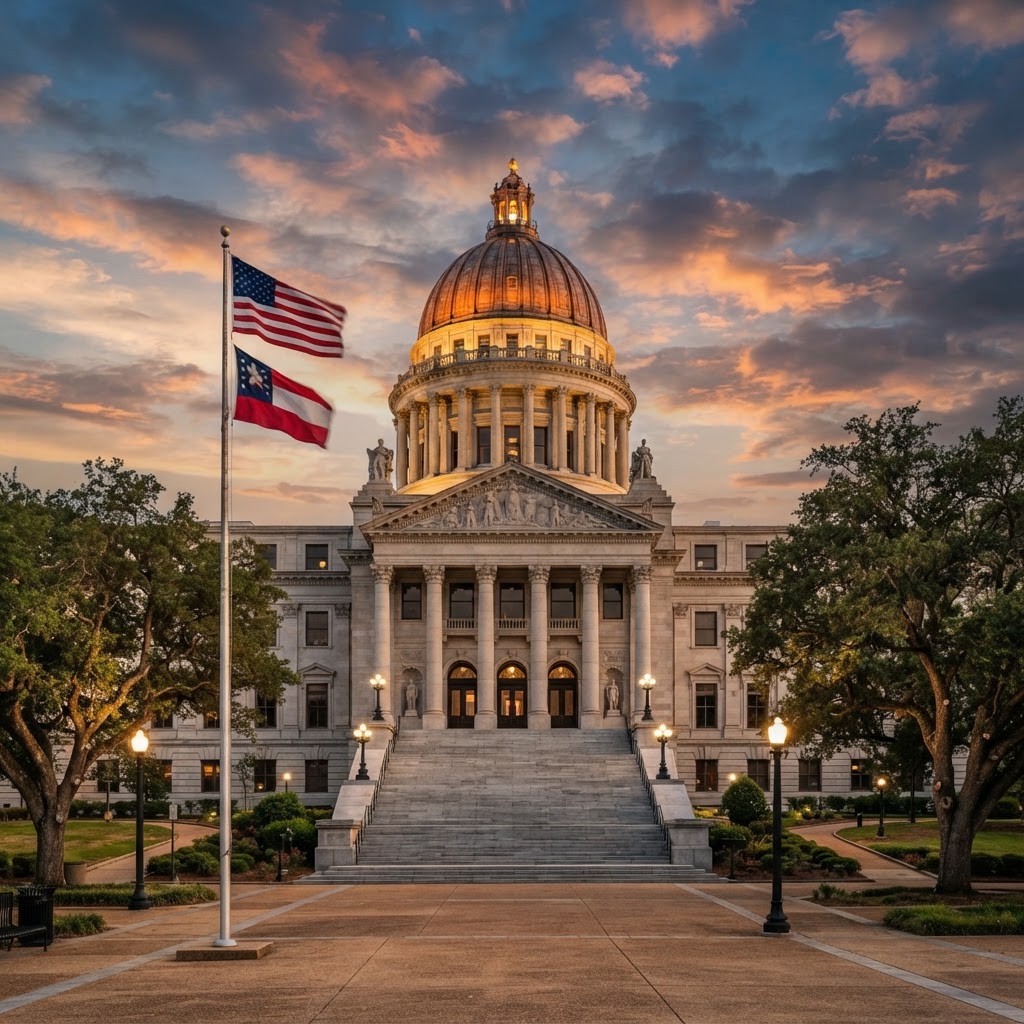
Mississippi Makes History: Scott Colom Becomes State's First Black U.S. Senator Since Reconstruction
Mississippi has elected its first Black U.S. senator since Reconstruction. Scott Colom's victory marks a historic political milestone and raises new questions about representation, leadership, and the state's future.

Politics
Keisha Lance Bottoms Makes History: From Atlanta City Hall to Georgia’s Governor Elect
From Atlanta's courtroom to City Hall and the White House, Keisha Lance Bottoms has built a remarkable legacy of public service. On November 3, 2026, she made history as the first Black woman elected governor of Georgia, and she now prepares to lead the state she has served.

Entertainment
A Different World Is Back, and Everybody Has Something to Say About It
Nearly four decades after Hillman College first captured our hearts, Netflix is introducing a new generation. Some viewers are celebrating the return, while others are asking whether the magic of the original can truly be recreated.

Music
Meet Sahn: The Soulful Voice Turning Life’s Most Personal Moments Into Music
With a sound rooted in soul and a passion for authentic storytelling, singer and songwriter Sahn is creating music that speaks to the heart.

Business
Susu: The Generational Money Tradition That Could Help Families Save Together and Thrive
When the cost of living stretches every dollar, an old tradition offers families a different way to think about saving, cooperation, and financial support.

