People to Know
Discover the people shaping culture.
News
Nationwide FAA Ground Stop Lifted, but Thousands of Flights Remain Canceled as Travel Chaos Continues
Flights have resumed following Friday's nationwide communications outage, but thousands of passengers are still dealing with cancellations, delays, and uncertainty as airlines work to restore normal operations.
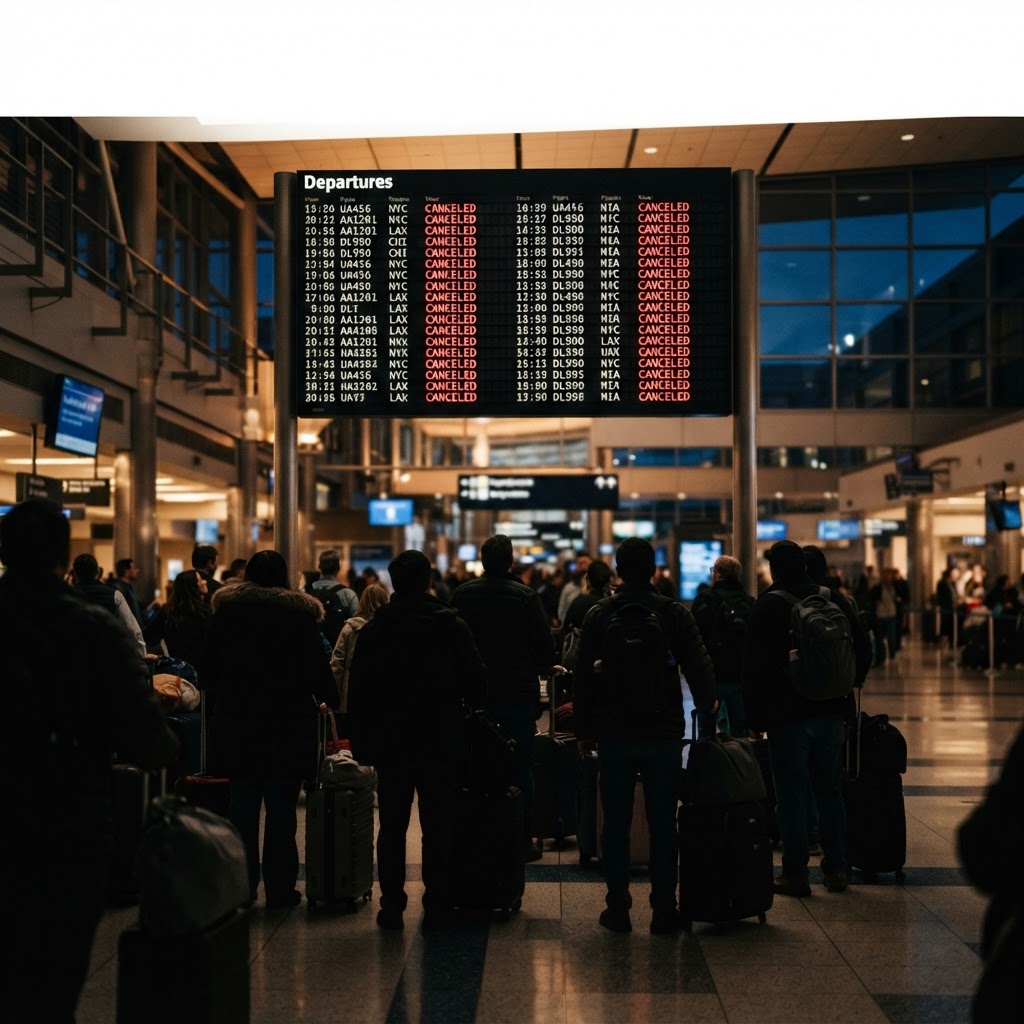
An airport departures board at night, where travelers faced widespread cancellations after Friday's nationwide FAA ground stop.
Illustrative image: Let'em Know Media Group
The Skies Have Reopened, but the Travel Crisis Isn't Over
Air travel across the United States is slowly recovering after a major Federal Aviation Administration communications outage brought departing flights nationwide to a halt on Friday, November 13.
The nationwide ground stop was lifted at approximately 8:15 p.m. Eastern, more than four hours after the FAA suspended departures as a safety precaution.
However, lifting the restriction did not mean airline operations immediately returned to normal.
By Saturday morning, thousands of additional flights had been canceled, leaving travelers scrambling to rearrange their plans.
Airlines are now working to reposition aircraft, restore flight schedules, and reconnect passengers with their destinations.
UPDATE: What Is the Flight Status Today, November 14?
According to FlightAware figures reported by ABC13 on Saturday, more than 3,600 flights had been canceled nationwide, with over 1,600 additional flights delayed.
Those numbers were reported Saturday morning and may continue to change throughout the day.
The disruptions are being felt at major airports across the country.
At Houston's George Bush Intercontinental Airport, approximately 200 flights had already been canceled by 6:35 a.m. Saturday.
Philadelphia International Airport also reported more than 100 cancellations and dozens of delays Saturday morning.
For passengers, the most important development is that the nationwide ground stop is no longer active.
Flights are operating again, but individual departures remain subject to cancellations, delays, and airline scheduling adjustments.
Travelers should not assume that their flight is operating normally simply because the FAA has lifted the restriction.
What Caused the Nationwide Shutdown?
Federal officials attributed the disruption to problems involving aging air traffic control communications equipment.
Transportation Secretary Sean Duffy said overloaded routers and switches caused instability in the information used by air traffic controllers.
The FAA responded by stopping departures nationwide while officials addressed the problem.
Aircraft already in the air were managed through existing safety procedures.
The incident has renewed concerns about the reliability of America's aviation infrastructure and the need to modernize critical communications technology.
Federal officials have called for additional funding to replace outdated systems and strengthen the nation's air traffic control network.
Was the Outage Caused by a Cyberattack?
Questions about a possible cyberattack surfaced shortly after the nationwide shutdown.
However, Homeland Security Secretary Markwayne Mullin said officials had found no indication that the outage resulted from a cyberattack.
Investigators continue examining the technical failure.
The available information points toward problems involving overloaded communications equipment rather than confirmed malicious activity.
Why Are Flights Still Being Canceled?
A nationwide ground stop creates complications that continue long after aircraft are cleared to depart.
When thousands of flights are interrupted, airplanes and flight crews may end up in locations where they were not originally scheduled to be.
Airlines must then reorganize aircraft assignments, crew schedules, airport gates, and connecting flights.
That process can take considerable time.
A passenger whose flight was scheduled for Saturday may experience a cancellation because the aircraft or crew needed for that flight was delayed Friday.
This is one reason the effects of the communications outage may continue through the weekend and potentially into early next week.
What Should Travelers Do Today?
If you have a flight scheduled for Saturday, Sunday, or early next week, take a few precautions before heading to the airport.
Check your flight status directly with your airline. Airline apps and official websites generally provide the most relevant information about individual reservations.
Review available rebooking options. Some airlines have introduced travel waivers to help affected passengers change their plans.
Understand your refund rights. If your flight is canceled and you choose not to accept alternative transportation, you may be entitled to a refund under applicable federal rules.
Keep receipts for unexpected expenses. If the disruption results in hotel stays, meals, or alternative transportation, documentation may help when requesting assistance or reimbursement.
Allow additional travel time. Airport lines, security checkpoints, and customer service desks may be busier than usual.
Travelers should also avoid relying on social media rumors about airport closures or flight restrictions.
How Long Will the Disruptions Continue?
Federal officials have warned that recovering from the nationwide shutdown could take several days.
The exact timeline will depend on how quickly airlines can restore aircraft and crew schedules.
Although departures have resumed, passengers may continue experiencing cancellations and delays while the system recovers.
For now, there is no confirmed nationwide date or time when every airline will return to its normal schedule.
A Larger Question About America's Aviation Infrastructure
The outage has raised concerns beyond the inconvenience of delayed travel.
Air traffic control communications are essential to the safe operation of the nation's aviation system.
When that infrastructure experiences a widespread failure, the effects can reach millions of travelers, businesses, and communities.
The incident has intensified calls for investment in modern communications systems and greater reliability across the nation's air traffic control network.
For passengers affected by the disruption, the immediate priority is reaching their destinations safely.
For federal aviation officials, the larger challenge is determining how to prevent another nationwide shutdown.
Let'Em Know Wants to Know
Were you or someone in your family affected by Friday's nationwide flight grounding?
Has your airline provided an updated departure time, rebooking assistance, or a refund?
And what changes do you believe are needed to make America's travel system more reliable?
Let'Em Know. Your experience matters.
Sources
Associated Press, Reuters, ABC News, and ABC13 Houston. Flight figures reflect reported snapshots and may change.
Join the Conversation
Comments are reviewed by our editors before they appear.
No comments yet. Be the first to share your thoughts.
The Know Society
Stay in the know.
Get the stories, people, music, culture and opportunities worth knowing delivered directly to your inbox.
Free. Unsubscribe anytime.

News
BREAKING: Banking disruptions affect customers nationwide as Chase reports software failure
JPMorgan Chase confirmed a software failure delayed customer transactions on Monday, with some transfers routed through other institutions also slowed. The bank said customers kept access to their accounts, and Zelle said its network remained operational.

News
When Goodbye Becomes Dangerous: The Deadly Reality of Domestic Violence
Leaving is often the most dangerous moment in an abusive relationship. Inside the warning signs of coercive control, the deaths of two women in 2026, and the safety resources that can help someone get out alive.
News
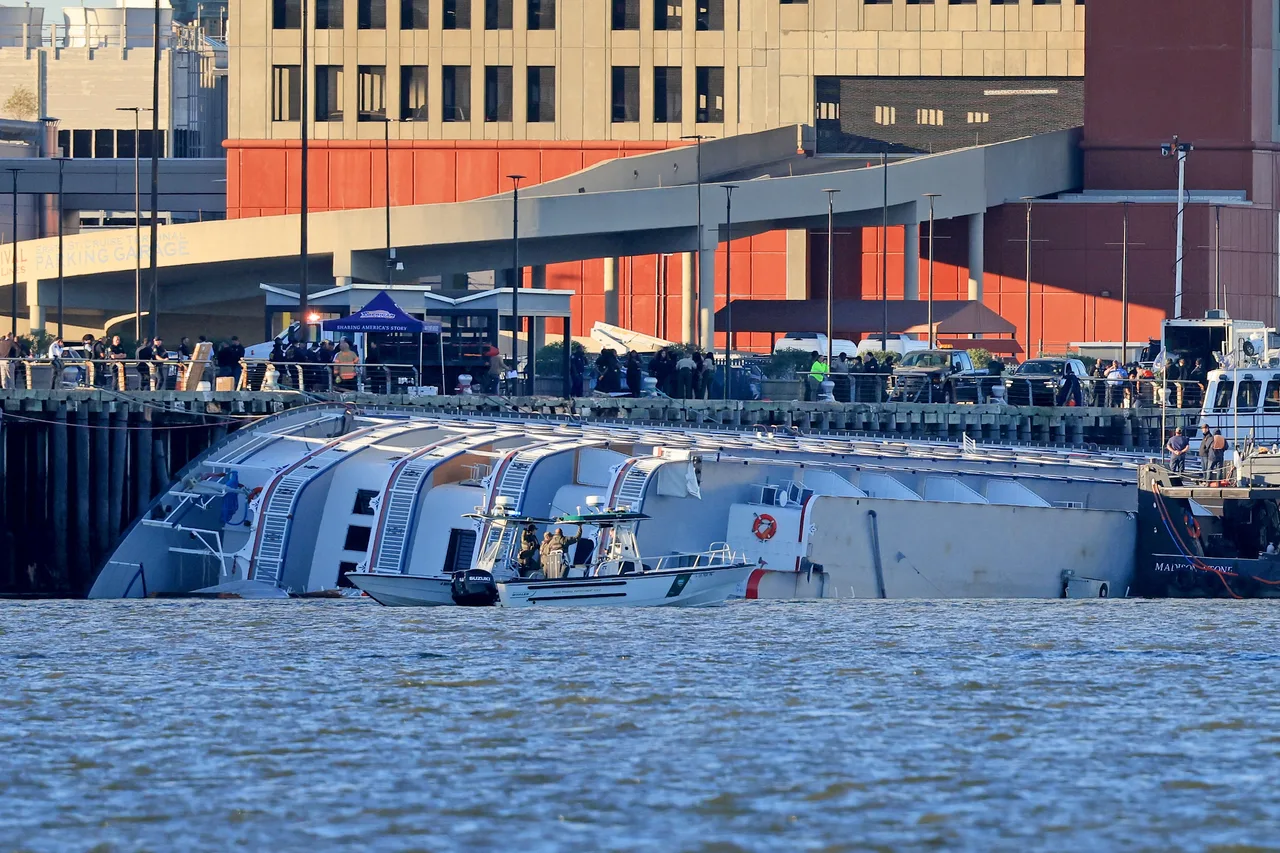
UPDATE: Devastation on the Mississippi as Tanker Strikes Cruise Boat, Leaving 32 Hospitalized and Families Shaken
A 520-foot asphalt tanker struck the docked American Heritage riverboat at the Port of New Orleans, sending 32 people to hospitals and dropping passengers into the Mississippi. Everyone aboard survived.

Sports
Dallas Cowboys hand defensive play-calling duties to senior assistant Mike Pettine
The Dallas Cowboys have reassigned defensive play-calling duties to senior defensive assistant Mike Pettine, relieving defensive coordinator Christian Parker of in-game strategy ahead of Week 11.

Politics
Keisha Lance Bottoms Brings Tyler Perry, Kandi Burruss, T.I. and Georgia's Creative Leaders Into Her Statewide Transition
Keisha Lance Bottoms names entertainment and business leaders to her Georgia transition team and reveals a tentative January 12, 2027 inauguration at State Farm Arena.
Watch
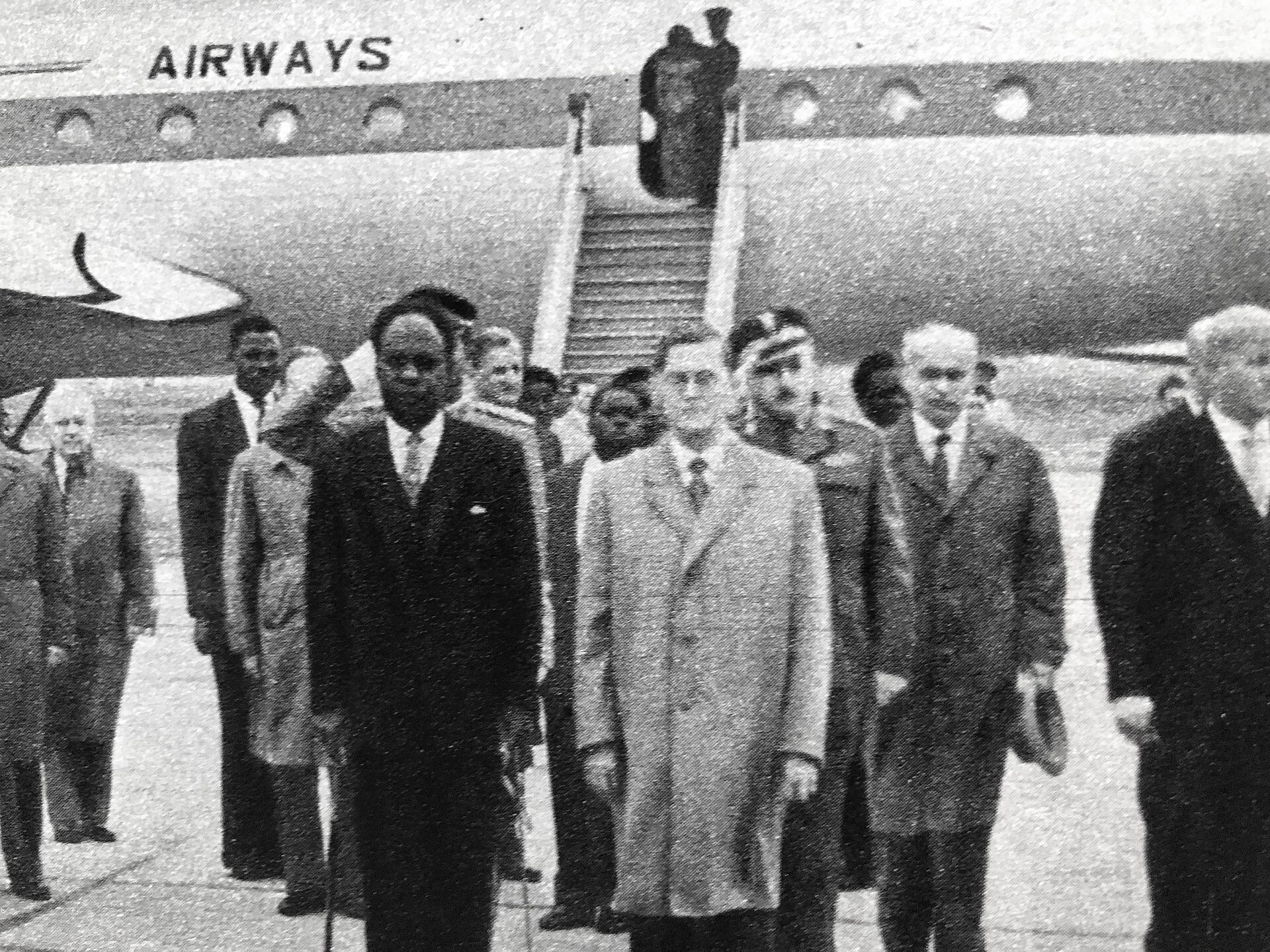
The Eyes of Ghana: The Powerful Documentary Bringing Africa's Forgotten History Back to Life
What if some of the most important moments in African history had been captured on film, only for that footage to disappear from public view for generations?